Choosing the Right Adjustable Bed Frame for Home Care: A Practical UK Guide
This guide helps caregivers and healthcare professionals in the UK navigate selecting an adjustable bed frame. It covers key features, safety considerations, and maintenance tips to support comfortable, safe home care environments.
In the realm of home care, the bed is not merely a place to rest; it is a critical ally in comfort, safety, and daily routines. An adjustable bed frame, when chosen with care, can transform care tasks—from positioning to transfers—into smoother, less stressful experiences for both the patient and the caregiver. This guide speaks to the practical realities of UK homes: space, power supply, infection control, and the nuanced needs of elderly or mobility-impaired users. We’ll explore what to prioritise, how to evaluate options, and the maintenance rituals that keep an adjustable bed performing at its best.
This article adopts a non-commercial, informational stance, focusing on guidance that helps you make informed decisions. It aligns with UK guidelines and practical considerations for home care settings, offering checklists, considerations, and considerations suitable for households, carers, and healthcare professionals who support patients at home.
Understanding the core purpose of an adjustable bed frame
Adjustable bed frames are designed to elevate comfort and safety by allowing independent adjustment of head and foot sections. In a home care context, this capability supports a range of activities: from reading and watching television to improving breathing, reducing reflux symptoms, and facilitating easier transfers from bed to chair. The right frame should harmonise with the user’s daily patterns, medical needs, and living space.
When selecting a frame, consider how it integrates with a breathable mattress topper or specialized support surfaces. A well-chosen frame reduces the burden on caregivers during transfers, positioning, and routine care tasks, while sustaining the patient’s comfort and skin health over time.
Key features to look for in a UK context
- Motor reliability and quiet operation: Look for smooth, consistent performance with tested motor systems and a manufacturer’s warranty. In UK homes, a silent or near-silent motor reduces disturbance and supports longer, gentler positioning routines.
- Height adjustability and lifting capacity: Confirm a comfortable bedroom height for transfers, considering the caregiver’s stance and the patient’s mobility. Check weight capacity to ensure the frame accommodates the user plus basic accessories or toppers.
- Handset design and accessibility: Ergonomic controls, magnetic or cordless remotes, and intuitive layouts minimize confusion during use. Ensure replacements or spare remotes are readily available.
- Bed compatibility with mattresses and toppers: The bed should work with breathable mattress toppers or pressure-relief surfaces without compromising stability or hygiene.
- Weight capacity and bed frame build: A sturdy construction with durable materials supports safe daily use and durability in busy home care environments.
- Mobility and space requirements: Measure the room for railing clearance, doorways, and turning radius. Some frames offer wall-hugger or floor-saver designs to optimise space.
- Infection prevention and cleaning: Removable, washable covers for the frame legs and easy-to-disinfect surfaces support hygiene protocols in healthcare settings at home.
- Electrical safety and compliance: Ensure the frame adheres to UK electrical safety standards, with readily accessible power switches and a secure, grounded plug configuration.
Room assessment and planning
Before selecting a frame, conduct a practical assessment of the patient’s environment. Consider the following steps:
- Measure room dimensions, including doorway widths and corner clearances for frame assembly and operation.
- Assess power access, ensuring a dedicated, surge-protected outlet near the bed that is easily reachable from the bed’s head and foot positions.
- Plan for cable management and safety: route cords to avoid tripping hazards, using adhesive clips or cable sleeves where appropriate.
- Evaluate the mattress ecosystem: a breathable topper or specific pressure-relief surface may complement the frame. Verify that the chosen mattress works seamlessly with adjustability in terms of height range and edge support.
- Consider infection control routines: identify washable components and cleaning protocols that fit the care schedule without interrupting rest periods.
Practical considerations for elderly and mobility-impaired users
For many users, the right bed becomes central to daily independence. Adjustable frames offer opportunities for safer transfers, improved breathing, and reduced pain during night time repositioning. The goal is to balance comfort with a practical, user-friendly operation that respects the user's preferences and routines.
In clinical research and patient care, personalised positioning is linked to benefits such as better pulmonary function, reduced edema, and improved oxygenation in various settings. While home care differs from hospital wards, the underlying principle remains: a frame that supports safe, varied positioning can enhance quality of life and reduce caregiver strain.
Maintenance, safety and troubleshooting
Regular upkeep ensures longevity and reliable performance. Establish a simple maintenance rhythm that fits the household schedule:
- Weekly visual checks for loose fasteners, cables, and remote batteries.
- Monthly operation tests: extend head and foot sections to ensure smooth movement and listen for any unusual noises.
- Quarterly inspections by a qualified technician if the frame is heavily used or shows signs of wear in the motor system.
- Weekly cleaning routines using non-abrasive cleaners on metal components and a damp cloth for wooden or plastic surfaces. Avoid harsh chemicals that could degrade finishes.
- Ensure the mattress or topper remains properly aligned with the frame to avoid gaps or slipping that could cause discomfort or safety risks.
Safety checklists and quick-start guidance
To help caregivers make a confident decision quickly, here is a practical quick-start checklist for choosing the right adjustable bed frame in the UK. Use this as a minimal yet robust framework when visiting retailers or evaluating online options.
- Define the user’s needs: focus on main activities like transfers, reading, and sleep positioning.
- Set a budget that accommodates needed features and a future-proof roadmap for care needs.
- Assess space constraints and room layout to determine permissible bed length, width, and clearance.
- Verify compatibility with preferred mattress toppers and protection surfaces.
- Confirm warranty terms, service coverage, and parts availability in the UK.
- Check safety features: anti-trap design, pinch-point protection, and emergency manual lowering options.
- Ensure user-friendly controls and accessibility for the patient and caregiver alike.
Maintenance log and care routines
Keeping a simple maintenance log helps track performance and scheduling. A basic log can include:
- Date of frame purchase and model details
- Motor check dates and any service notes
- Remote battery replacement dates
- Cleaning dates and products used
- Any observed issues and actions taken
Product spotlight: relevant offerings on this site
While prioritising informational content, this platform highlights products judiciously when they genuinely support the article’s focus on comfort, safety, and home care best practices. The following product is presented for context within a care-focused setting and is linked to its product page for readers seeking specifics:
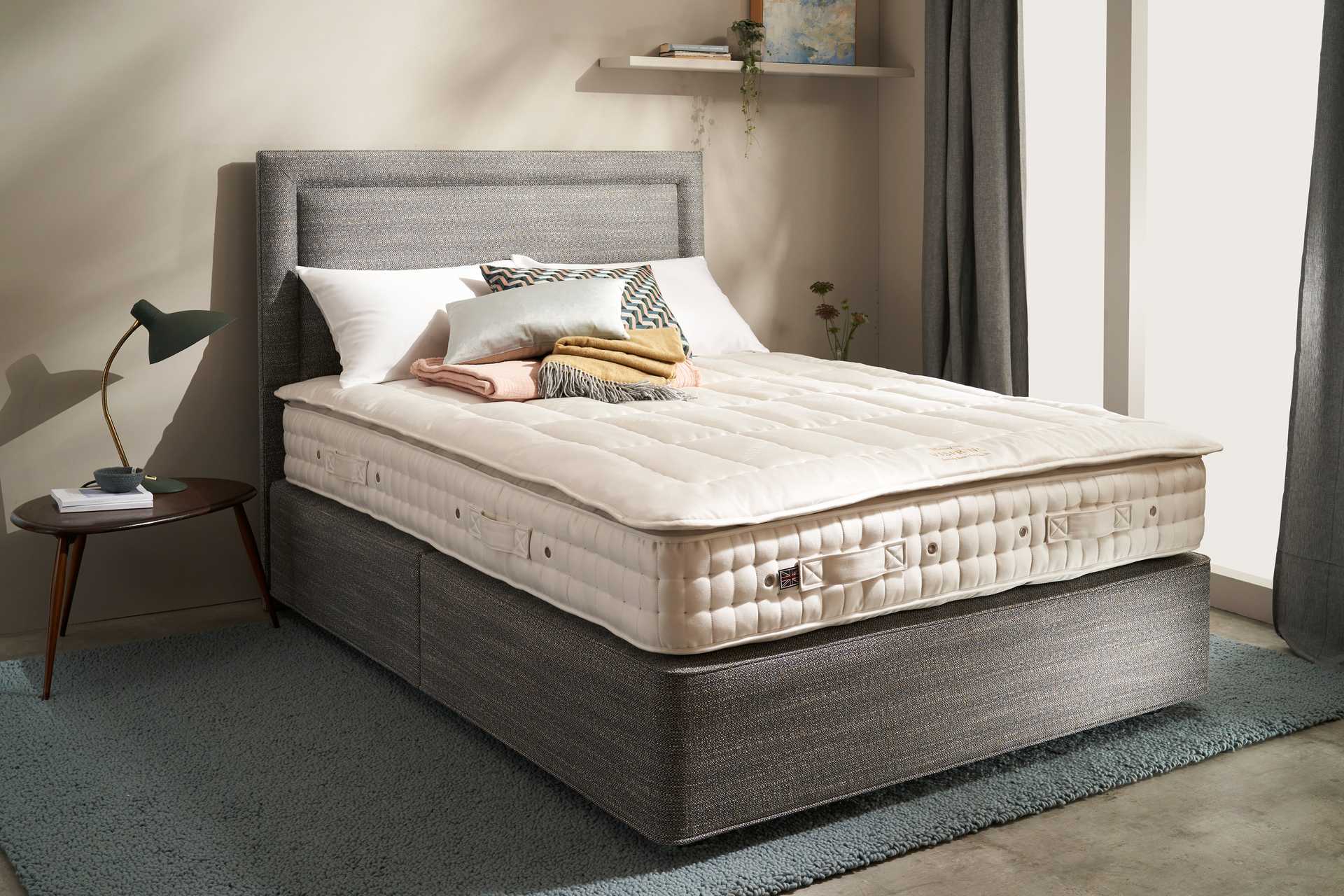
- Vispring Heaven Mattress Topper — A luxury top layer designed to elevate comfort and pressure relief, suitable for use atop compatible mattresses in a care environment. For details, visit the product page: Vispring Heaven Mattress Topper.
Regulatory context and guidance references
UK care settings benefit from clear regulatory signals and best practices that emphasise safety, infection control, and dignity. While this guide is practical in tone, readers may consult official sources for UK standards related to patient handling, bed safety, and healthcare equipment. Key themes include risk assessment, staff training, and routine maintenance that align with quality and safety frameworks in health and social care contexts.
Frequently asked questions
Below are some common questions readers consider when evaluating adjustable bed frames for home care. Answers are concise and designed to support decision-making without marketing language.
- Do adjustable beds require special plumbing or electrical setups? No, most frames use a standard electrical outlet with straightforward assembly. Always follow the manufacturer’s installation instructions and use a qualified electrician if a new outlet is required.
- Can I use any mattress topper with an adjustable bed frame? Most toppers are compatible, but verify compatibility with the frame’s range of motion and any edge support considerations to avoid interference during adjustment.
- What about care home standards? If you’re managing care for a resident in a facility, consult facility-specific guidelines and ensure the frame integrates with established safety protocols and infection control practices.
Conclusion: empowering informed decisions
Choosing the right adjustable bed frame for home care is an act of care itself. It blends practical measurement, a respect for comfort, and a duty to safety. By prioritising reliability, accessibility, compatibility with accessories, and straightforward maintenance, families and professionals can create a bed setup that supports dignity, independence, and well-being in daily life.