Wool is a natural textile fiber used in bedding for its insulating, breathable qualities and soft, resilient feel. Its structure can help moderate warmth by trapping air while allowing moisture vapor to move away from the body. These characteristics make wool relevant to sleep environments where temperature comfort and material selection matter.
Wool bedding may include pillows, mattress layers, comforters, and protective covers. Fiber source, construction, fill density, and cover fabric influence how each item feels and performs. Care instructions also vary: some wool products require gentle cleaning or airing rather than routine machine washing, so product labeling is important for maintaining materials.
When comparing bedding, consider sleep position, preferred firmness, warmth, and any material sensitivities. Pillow shape and support can affect head and neck alignment, while a mattress’s construction influences pressure distribution and overall comfort. Natural fibers, including wool, are one part of a broader assessment alongside fit, durability, and care requirements.
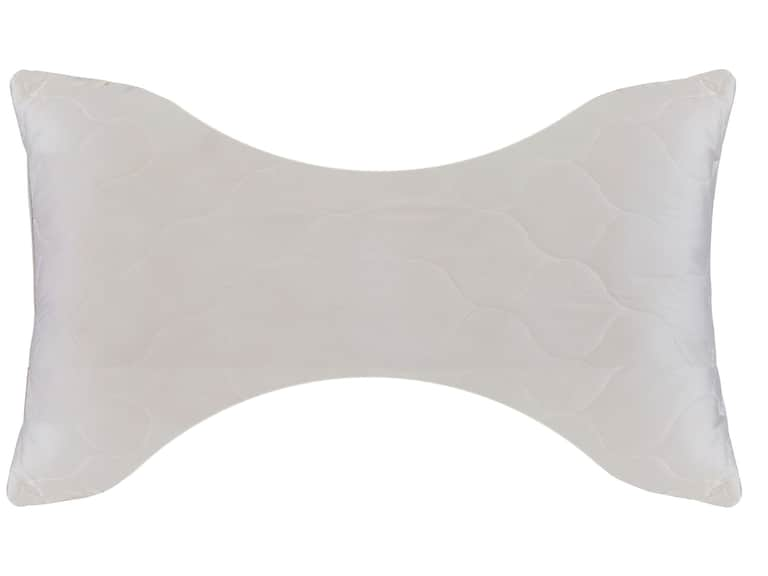
The Sleep and Beyond myDual Side Pillow is a named pillow option relevant to bedding discussions, particularly for people who sleep on their sides. Its dual-sided design is indicated by the product name; users should consult its specifications for exact materials, firmness, dimensions, and care guidance before assessing how it suits their needs.
For families planning a nursery, bedding choices should reflect age, sleep setup, and applicable safety guidance. Organic mattresses and organic crib mattresses describe products made with specified organic materials or processes, but certifications and components can differ. Wool may appear in some bedding constructions, so checking product details helps clarify fiber content and intended use.
 Bedding